TL;DR:
- Thai greetings vary by time, social hierarchy, and setting, requiring context-specific usage.
- Adding politeness particles “krub” or “kha” enhances respect and warmth in interactions.
- Body language, tone, and cultural cues are essential for genuine and effective Thai greeting communication.
Knowing a few Thai greetings can completely change how people respond to you, whether you’re traveling through Bangkok, chatting with Thai colleagues in Singapore, or simply exploring the language out of curiosity. But Thai greetings go far beyond a single “hello.” Beginner greeting lists often include phrases like ราตรีสวัสดิ์ (good night), ยินดีต้อนรับ (welcome), and several other situational expressions that most phrasebooks skip entirely. This article walks you through the most useful Thai greetings, when to use each one, how to pronounce them with confidence, and the cultural details that make all the difference.
Table of Contents
- How to choose the right Thai greeting: Cultural and situational factors
- Common Thai greetings: Phrases, meanings, and pronunciation
- Comparing Thai greetings: Which phrase fits which moment?
- Practical tips for using Thai greetings effectively
- What most learners miss about Thai greetings
- Advance your Thai: Next steps for Singapore learners
- Frequently asked questions
Key Takeaways
| Point | Details |
|---|---|
| Context shapes greetings | The right Thai greeting depends on time, social status, and relationship. |
| Essential phrases to know | Common Thai greetings include sawasdee, yin dee ton rap, and ratri sawat. |
| Politeness particles matter | Always add krub or kha after greetings to show respect. |
| Practice boosts confidence | Listening and mimicking native speakers helps your greetings sound natural. |
How to choose the right Thai greeting: Cultural and situational factors
Now that you know why Thai greetings matter, let’s look at how context shapes your word choice.
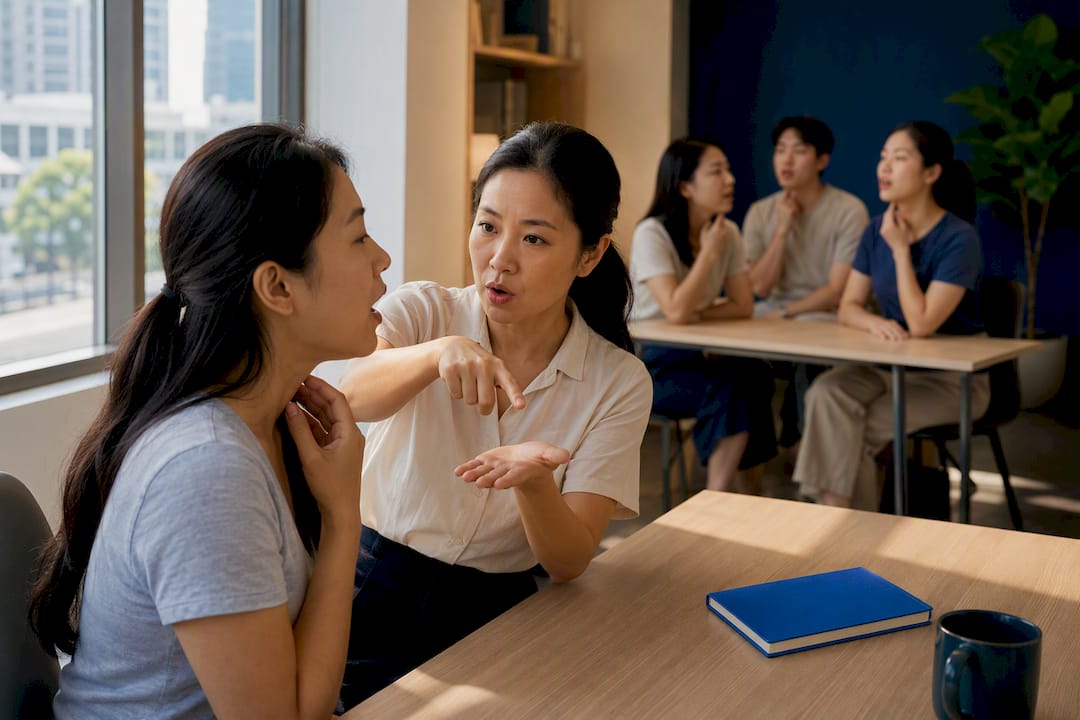
Thai is a language deeply tied to social relationships. The greeting you use with a close friend at a night market is not the same one you’d use when meeting your Thai business partner’s manager for the first time. Getting this wrong won’t cause offense in most cases, but getting it right earns you genuine warmth and respect. That’s a meaningful difference when you’re trying to build real connections.
Context factors that shape your greeting choice:
- Time of day: Thai has specific greetings for morning, afternoon, and evening, though the all-purpose สวัสดี (sawasdee) works anytime.
- Seniority and age: Thai culture places high value on respecting elders and those of higher social status. A more formal greeting signals awareness of this hierarchy.
- Formality of the setting: A casual street food stall calls for a relaxed tone. A hotel lobby, office meeting, or temple visit warrants more care.
- Your relationship with the person: Friends, strangers, shopkeepers, and officials each expect a slightly different register.
- Your own gender: This affects which politeness particle you add to the greeting.
One of the most important things to understand early is the role of politeness particles. In Thai, you add “krub” (ครับ) if you’re male, or “kha” (ค่ะ/ครับ) if you’re female, at the end of a greeting or sentence. These tiny words do a lot of heavy lifting. Saying สวัสดีครับ (sawasdee krub) instead of just สวัสดี signals that you’re polite, educated, and culturally aware. Locals notice this immediately, and it almost always results in a warmer response.
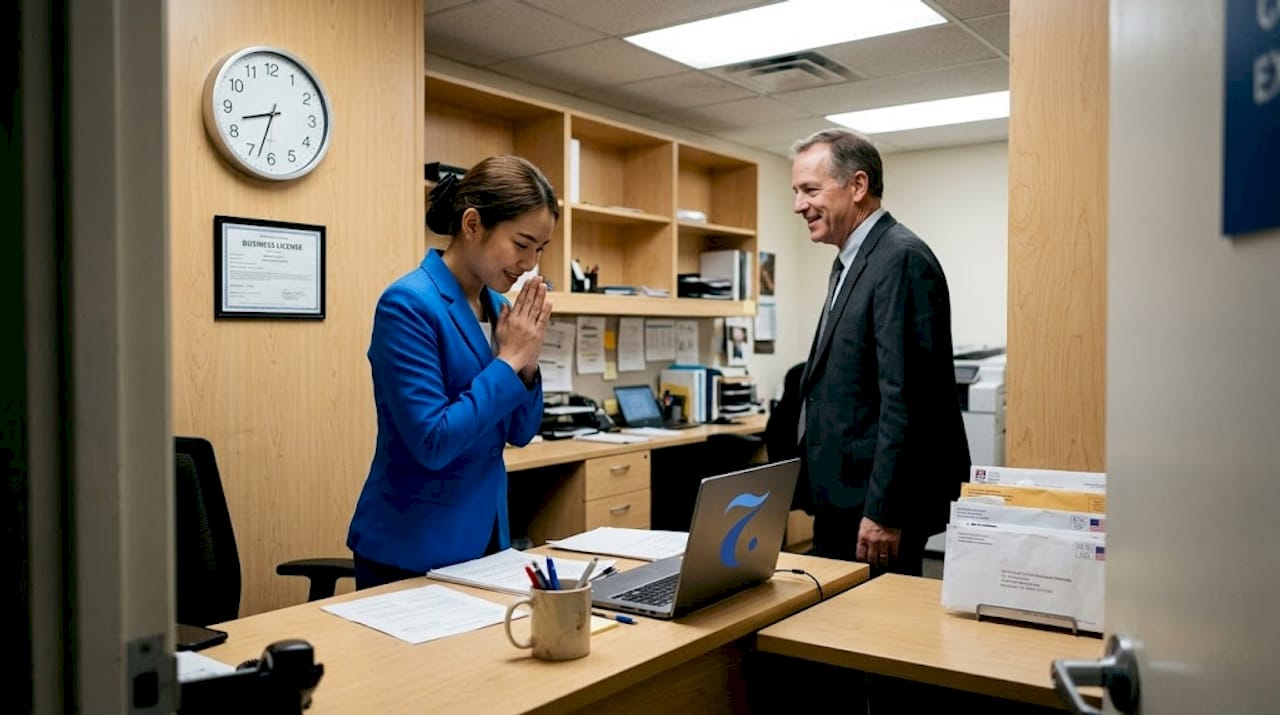
Body language is equally important. The wai gesture, where you press your palms together at chest or chin level and bow your head slightly, is the traditional Thai greeting gesture. You don’t have to perform a perfect wai to be appreciated, but attempting one shows respect. As a general rule, the higher your hands and the deeper your bow, the more respect you’re conveying. You wouldn’t wai a child or a street vendor the same way you’d wai a monk or an elder.
For a broader look at Thai social customs, our Thai etiquette guide covers everything from temple behavior to dining norms that support your greeting practice.
Common missteps include using the wrong politeness particle (or skipping it entirely in formal settings), greeting someone with a casual phrase in a professional context, or mispronouncing the tones in a way that changes the meaning. Thai is a tonal language with five tones, so the same syllable spoken with different tones can mean completely different things.
Pro Tip: Before your next trip or Thai conversation, spend five minutes reviewing hello in Thai variations so you arrive with more than one phrase ready. Locals genuinely appreciate the effort, even when pronunciation isn’t perfect.
Common Thai greetings: Phrases, meanings, and pronunciation
Having set the stage for when and why greetings change, let’s dive into the essential phrases themselves.
The table below covers the core Thai greetings you’ll use most often. Each entry includes the Thai script, the romanized pronunciation, the English meaning, its formality level, and a quick note on when to use it.
| Thai Script | Pronunciation | English Meaning | Formality | Best Used When |
|---|---|---|---|---|
| สวัสดี | Sawasdee | Hello / Goodbye | Neutral | Any time, any person |
| สวัสดีครับ | Sawasdee krub | Hello (male speaker) | Polite | Formal and casual settings |
| สวัสดีค่ะ | Sawasdee kha | Hello (female speaker) | Polite | Formal and casual settings |
| อรุณสวัสดิ์ | Arun sawat | Good morning | Formal | Morning greetings, formal contexts |
| สวัสดีตอนเช้า | Sawasdee ton chao | Good morning | Casual | Morning with friends or colleagues |
| สวัสดีตอนบ่าย | Sawasdee ton bai | Good afternoon | Casual | Afternoon greetings |
| ราตรีสวัสดิ์ | Ratri sawat | Good night | Formal | Evening farewell or greeting |
| ยินดีต้อนรับ | Yin dee ton rap | Welcome | Formal | Receiving guests, hospitality settings |
| ยินดีที่ได้รู้จัก | Yin dee tee dai roo jak | Nice to meet you | Polite | First introductions |
As beginner greeting lists show, Thai offers a rich set of situational expressions well beyond the standard สวัสดี, including formal evening phrases and hospitality-specific welcomes that are genuinely useful in real interactions.
For deeper coverage of morning phrases, our good morning in Thai guide breaks down tone and usage in detail. And once you’re past greetings, learning thanking in Thai is the natural next step for building polite, complete conversations.
Tips for mastering Thai greeting pronunciation:
- Listen before you speak. Find audio recordings of native speakers saying each phrase. Thai tones are not intuitive for English speakers, and reading romanized text alone won’t get you there.
- Focus on the final syllable. Thai speakers often judge pronunciation accuracy by how cleanly you land the last sound of a word.
- Practice the politeness particle separately. “Krub” and “kha” have their own tones. Getting these right makes your entire greeting sound more fluent.
- Record yourself. Play it back next to a native recording. The difference you hear is your practice target.
- Don’t rush. Thai speakers generally speak at a measured pace. Slowing down helps you hit the tones more accurately.
The word สวัสดี itself is worth studying closely. Many learners default to a flat pronunciation, but the correct version has a rising tone on the final syllable. When said correctly, it sounds warm and natural. When said flat, it can sound uncertain or robotic. Small tonal differences like this are exactly why structured practice with a native speaker accelerates progress so much faster than self-study alone. You can also explore hello in Thai for a focused breakdown of pronunciation and tone for this single essential word.
Comparing Thai greetings: Which phrase fits which moment?
Now that you’ve seen the phrases, let’s compare them side-by-side so you can choose the best one for any scenario.
Knowing a phrase is one thing. Knowing when to reach for it is another. The comparison table below maps each greeting to the situation where it fits best, so you can make a confident choice in real time.
| Greeting | Time of Day | Relationship | Tone | Example Scenario |
|---|---|---|---|---|
| สวัสดีครับ / ค่ะ | Any time | Anyone | Polite, warm | Meeting a shopkeeper or hotel staff |
| อรุณสวัสดิ์ | Morning only | Formal contacts | Refined, respectful | Greeting a teacher or senior colleague |
| สวัสดีตอนเช้า | Morning | Friends, peers | Casual, friendly | Morning chat with a coworker |
| สวัสดีตอนบ่าย | Afternoon | Friends, peers | Casual | Afternoon catch-up with a friend |
| ราตรีสวัสดิ์ | Evening / Night | Anyone | Formal, gentle | Saying goodnight to a host or elder |
| ยินดีต้อนรับ | Any time | Guests, visitors | Formal, welcoming | Welcoming someone to your home or event |
| ยินดีที่ได้รู้จัก | Any time | New acquaintances | Polite | First meeting in a professional setting |
The greeting examples that appear in beginner resources, including ราตรีสวัสดิ์ and ยินดีต้อนรับ, are not just decorative extras. They signal a level of cultural fluency that separates a confident speaker from someone who only knows one phrase.
“Using the right greeting at the right moment tells a Thai person that you see them, not just the transaction. That shift in perception opens doors that a simple ‘hello’ never could.”
This is especially true for travelers. When you walk into a guesthouse in Chiang Mai and greet the owner with ยินดีที่ได้รู้จัก after they introduce themselves, the response is almost always a genuine smile and a more personal level of service. It costs you nothing but a few minutes of practice.
Pro Tip: If you’re unsure which greeting to use, สวัสดีครับ or สวัสดีค่ะ is always a safe, respectful choice. You can build situational variety over time as you grow more comfortable. For broader travel vocabulary, our essential travel phrases guide pairs naturally with greeting practice. And if you want to understand why Thai sentence structure shapes greetings the way it does, Thai grammar basics provides a clear foundation.
Practical tips for using Thai greetings effectively
Ready to put these greetings into practice? Let’s review the top tips for sounding natural and respectful.
Learning a phrase is the easy part. Using it naturally, in the right moment, with the right tone and body language, takes deliberate practice. Here are five best practices that make a real difference.
- Always add your politeness particle. Whether you’re male or female, adding “krub” or “kha” to every greeting instantly elevates how you’re perceived. It’s the single easiest upgrade you can make to your Thai communication.
- Match your energy to the setting. A bright, upbeat สวัสดีค่ะ works perfectly in a coffee shop. The same phrase delivered with a slight bow and slower pace is more appropriate in a formal meeting. The words are the same; the delivery changes everything.
- Pair your greeting with a smile and a slight nod. Thai culture values warmth and non-verbal communication. A genuine smile alongside your greeting does as much work as the words themselves.
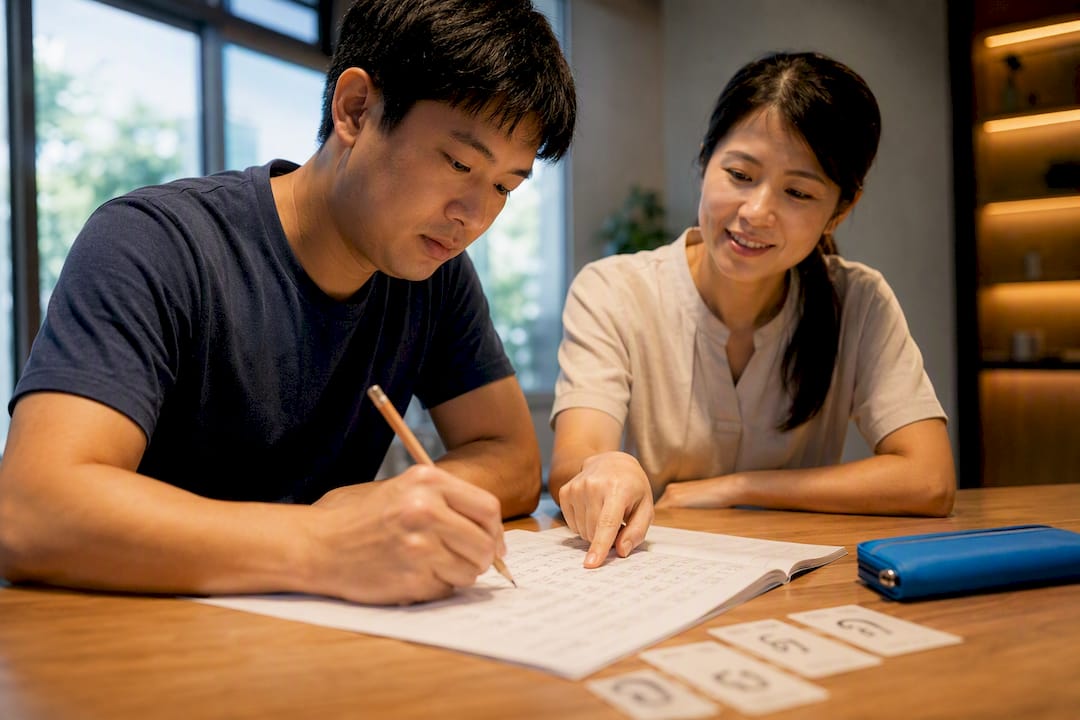
- Practice with audio, not just text. Reading romanized Thai gives you a starting point, but tones cannot be learned from text alone. Use audio resources, language apps with native recordings, or work with a native instructor to internalize the sounds correctly. Resources for speaking naturally in Thai can also help you move beyond greetings into fluid conversation.
- Observe and adapt. When you hear a Thai person greet someone, pay attention to the full package: the words, the tone, the gesture, and the facial expression. Mimicking this holistic approach is far more effective than drilling vocabulary in isolation.
Common mistakes to avoid include using “kha” as a male speaker or “krub” as a female speaker, which can cause confusion. Another frequent error is pronouncing สวัสดี with a flat tone throughout, which strips it of its natural warmth. Skipping the politeness particle in formal settings is also noticeable to native speakers and can come across as abrupt, even if unintentional.
Greeting examples for beginners consistently show that learners who practice a wider set of phrases, including time-specific and context-specific greetings, develop conversational confidence much faster than those who stick to a single expression.
Pro Tip: If you’re serious about building accurate pronunciation, consider taking a Thai proficiency test to benchmark your current level. Knowing where you stand helps you focus your practice on the areas that will give you the fastest improvement. For learners who also want to read Thai script, our Thai writing guide is an excellent companion resource.
What most learners miss about Thai greetings
Most people approach Thai greetings as a vocabulary problem. Learn the word, memorize the pronunciation, deploy it. Done. But that approach misses the most important layer entirely.
Thai greetings are social signals, not just words. When a Thai person greets you, they’re reading your body language, your tone, your level of eye contact, and whether your gesture matches your words. A perfectly pronounced สวัสดีครับ delivered while looking at your phone communicates something very different from the same phrase delivered with full attention and a gentle nod.
The learners who make the strongest impressions are not necessarily the ones with the largest vocabulary. They’re the ones who have spent time observing how greetings actually function in context, who pause to notice the subtle shifts in tone when a shopkeeper greets a regular customer versus a tourist, and who approach each interaction with genuine curiosity rather than a checklist mentality.
Cultural humility is the real skill here. It means being willing to get it slightly wrong, to laugh at yourself, and to keep adjusting. Thai people are extraordinarily forgiving of language mistakes when they sense genuine effort and respect. That combination of effort and humility is what unlocks real conversational comfort, far beyond anything a phrasebook can give you. For ongoing insights and learning strategies, our language learning tips cover a wide range of topics to support your journey.
Advance your Thai: Next steps for Singapore learners
Inspired to learn more? Here’s how you can keep building your Thai skills from Singapore.
Greetings are the doorway into Thai language and culture. Once you feel confident with the phrases in this article, the natural next step is building the vocabulary and grammar that let you hold a real conversation. Thai Explorer offers structured Thai language courses designed for learners at every level, from absolute beginners to those preparing for formal certification.

If you prefer one-on-one attention, private Thai lessons let you focus on exactly the skills you need, whether that’s conversational fluency, travel preparation, or professional communication. Classes are available in-person at our location above Tanjong Pagar MRT, and online for flexible scheduling. Start by revisiting our greetings practice guide to reinforce today’s learning, then take the next step toward real fluency with Thai Explorer.
Frequently asked questions
What is the most common Thai greeting?
The most common Thai greeting is สวัสดี (sawasdee), used for both hello and goodbye across most settings. As greeting resources confirm, it forms the foundation of nearly all Thai salutations, with other phrases building on it for specific times or contexts.
Should I use ‘krub’ or ‘kha’ with Thai greetings?
Use “krub” if you’re male and “kha” if you’re female, adding it to the end of your greeting to sound polite and respectful. Skipping these particles in formal settings can make you sound abrupt, even when your intention is friendly.
Is ‘good night’ used as a greeting in Thai?
ราตรีสวัสดิ์ (ratri sawat) means “good night” and functions as a polite evening greeting or farewell, though it’s more formal and less common in everyday casual use than sawasdee. As beginner phrase lists show, it’s a valuable phrase for formal or hospitality contexts.
Can I use Thai greetings with friends and strangers?
Yes, most Thai greetings like sawasdee work well with both friends and strangers, but adjust your delivery by adding politeness particles and a slight bow when greeting someone you don’t know well.