

Planning a trip to Thailand? Learning a bit of Thai makes a world of difference. This blog will walk you through the most useful Thai language basics and travel phrases from greetings and food orders to shopping and polite expressions, plus practical tips to help you use them with confidence.
Why Learning Thai Before Travel Matters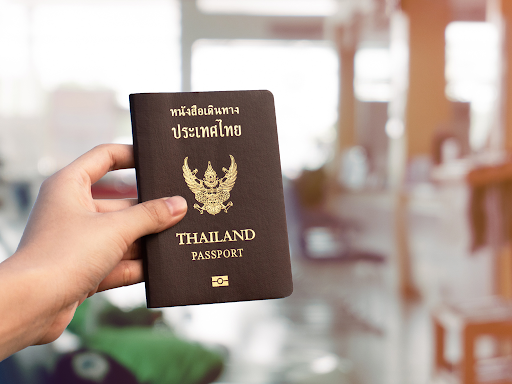
When you speak even simple Thai, you open doors to more meaningful interactions, smoother travel, and deeper cultural experiences.
- Locals often appreciate visitors who try their language. Simple phrases like “Sawadee khrap/ka” or “Khop khun khrap/ka” (“hello” and “thank you”) can earn smiles, goodwill, and even help you get insider tips.
- Knowing Thai helps you navigate transport, ask for directions, and read signs, which greatly reduces the stress of being in a foreign place.
- Language enriches travel. Research shows learning a foreign language improves travel experiences, fosters cultural understanding, and encourages deeper engagement with locals.
If you plan to study Thai more seriously for travel or long stays, consider exploring structured Thai lessons in a private Thai course to build a reliable foundation.
Core Thai Phrases Every Traveller Should Know

Here’s a selection of essential Thai phrases useful whether you’re navigating a busy market, ordering street food, or simply greeting locals. Pronunciation is approximate to help you get started.
These phrases cover greetings, basic requests, polite conversation, shopping, and food ordering. They’re a great starting point for everyday travel situations.
Cultural Tips & Manners: More Than Just Words
Speaking Thai isn’t just about memorising phrases; it’s also about understanding cultural context and respect. Here are some cultural norms and etiquette tips travellers should know:
Politeness matters use “khrap/ka.”
Adding khrap (male) or ka (female) at the end of sentences is common in Thai for showing politeness and respect. Locals notice and appreciate this effort.
Smile and soft tone
Speaking softly and with a smile matters. Shouting or aggressive tones can be perceived as rude, even if you don’t intend offense.
Respect for culture & tradition
Showing interest in local customs, e.g., at temples, in markets, or in rural areas, earns respect. Simple Thai phrases help you express courtesy and cultural awareness.
These small gestures often turn a routine transaction into a warm, human connection.
According to Cambridge English, immersive language learning leads to deeper cultural engagement and more meaningful travel experiences.
How to Learn Thai for Travel Quickly and Effectively
You don’t need to master the entire language before you travel. With a focused approach, even a short preparation can make a big difference.
1. Start with high-utility phrases
Focus on greetings, polite expressions, basic food/ordering words, and essential questions (like “Where is…?”, “How much?”, etc.). This gives you immediate benefit in real-life travel situations.
2. Practice tone and pronunciation
Thai is a tonal language; tone changes can alter meaning completely. Try saying phrases aloud, listening to native speakers, or using audio-based learning tools that emphasize tone and pronunciation.
3. Combine language learning with local culture awareness
Understand when and how to use polite particles, gestures, and a friendly tone. Learning cultural context makes your language practice more effective and respectful.
4. Consider structured learning if you travel often
If you’re always on the road or staying somewhere for a bit longer, a structured course can be really useful – it’s got lessons, a clear progression, and lots of chances to get some real practice in. And even just getting the basics down before you go can make a huge difference to your trip.
Research has shown that knowing a bit of the local language really does make a big difference in how much you get out of your trip – you’ll be way more immersed in the culture and way more satisfied with your time there. That’s why a private Thai course, or maybe even some group classes through a programme like SkillsFuture with Thai Explorer, could be a great way to get a solid base before you head off.
When to Use Thai Everyday Travel Scenarios
Here’s a quick guide to when using Thai helps the most:
- At airports, taxis or transport are helpful for asking directions, confirming fares, or using emergency phrases.
- Ordering food / Street food stalls, locals appreciate it when you try Thai; you might get better service or subtle discounts.
- Shopping / Bargaining in markets, polite Thai can create goodwill, especially when bargaining.
- Temples and cultural sites respectful language helps you show appreciation for local customs.
- Meeting locals or staying in guesthouses — simple Thai helps build friendly rapport and trust.
Speaking even a few phrases helps you step out of the “tourist bubble” and engage more meaningfully with local culture.
Is It Worth It? What Research and Travel Experts Say
Several studies and travel-language experts highlight clear benefits:
- Knowing the local language improves overall travel experience, helps you go beyond surface-level tourist paths, and encourages deeper cultural connections.
- Language-learning boosts confidence, reduces stress when navigating unfamiliar places, and even helps in emergencies where English might not work.
- Immersive learning, mixing language study with real travel, often leads to better long-term retention and more meaningful travel experiences.
If you value travel that goes beyond sightseeing, investing a little time to learn Thai pays off significantly.
Conclusion
A handful of Thai words and cultural awareness can transform a simple trip into a truly memorable journey. From greeting vendors to navigating tuk-tuks, the effort to speak Thai opens doors, builds goodwill, and enriches your travel experience. If you want structured lessons that fit your pace and travel goals, consider enrolling in a private Thai course with Thai Explorer. It will help you travel with confidence, communicate more naturally, and connect meaningfully with locals.
FAQs About Thai Language For Travel
Do I really need to learn Thai for a short trip?
Even just a few phrases like greetings, thank-you, or simple questions can make a big difference in interactions. Locals often respond warmly when travellers speak a bit of Thai.
How many phrases should I learn before travelling to Thailand?
Start with about 20–30 high-utility phrases (greetings, food, directions, polite expressions). That’s usually enough to get you through many everyday situations.
Is it difficult to pronounce Thai correctly?
Thai uses tones, which can be tricky at first. Practising pronunciation and listening to native speakers helps. Focus on clarity rather than perfection. Locals appreciate any effort.
Will knowing Thai help me avoid scams or misunderstandings?
Often yes. Being able to ask questions, understand numbers, read signs, and communicate clearly reduces the risk of confusion, especially in busy markets or transport hubs.
Can I learn basic Thai phrases online before my trip?
Yes. Online resources, phrasebooks, or guided courses can help you learn effectively before you travel. Even brief preparation improves confidence and travel experience.