TL;DR:
- Private Thai lessons offer personalized content and immediate feedback tailored to individual goals.
- They are the fastest way for Singapore learners to build speaking confidence and fluency.
- Consistent, goal-oriented practice between sessions maximizes progress efficiently.
Many learners in Singapore assume that a group class or a language app is the most efficient path to Thai fluency. That assumption quietly costs months of progress. The truth is that private Thai lessons remove nearly every obstacle that slows learners down: mismatched pace, limited speaking time, and generic content that ignores your actual goals. Whether you want to connect with a Thai partner’s family, close deals in Bangkok, or simply travel with confidence, one-on-one instruction delivers something no app can replicate. This article breaks down exactly what private Thai lessons involve, what you gain from them, and how to get the most out of every session.
Table of Contents
- What is a private Thai lesson?
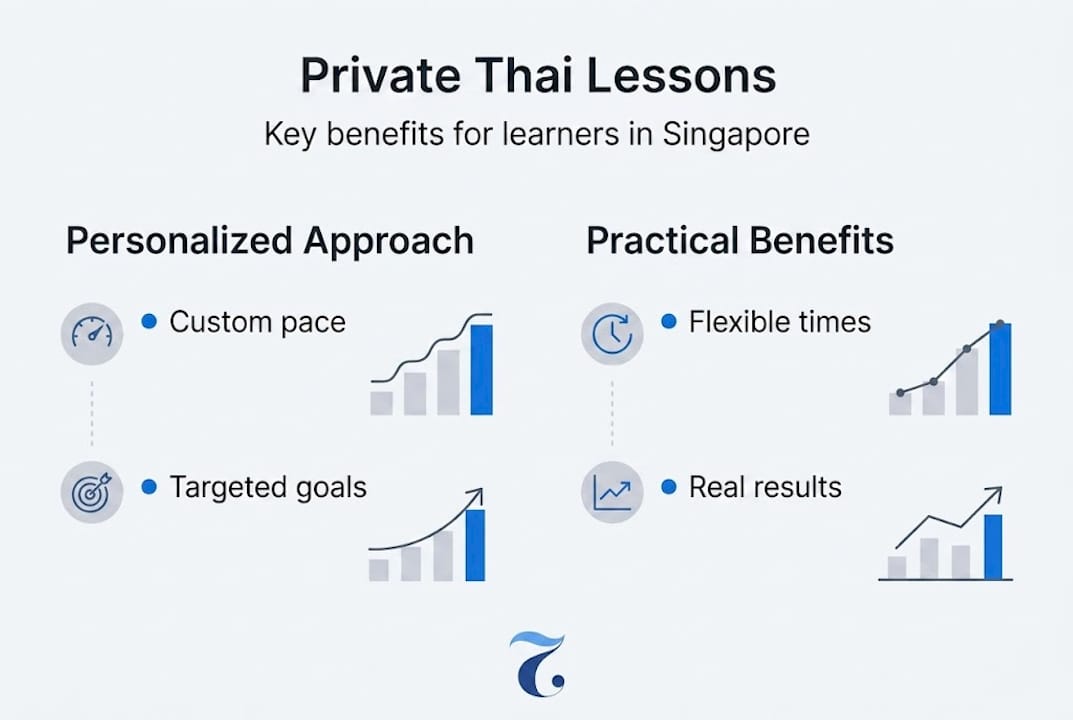
- Key benefits of private Thai lessons for Singapore learners
- What to expect in a private Thai lesson: format, content, and outcomes
- Maximizing your progress: tips for getting the most from private Thai lessons
- Our perspective: why private Thai lessons are the hidden shortcut to fluency
- Ready to start private Thai lessons in Singapore?
- Frequently asked questions
Key Takeaways
| Point | Details |
|---|---|
| Personalized learning speed | Private Thai lessons adapt to your unique pace and goals for faster, more relevant progress. |
| Full speaking practice | One-on-one sessions maximize your Thai speaking time and feedback opportunities. |
| Flexible scheduling | Private lessons let you study Thai around your work or personal commitments. |
| Results for any goal | Whether for travel, work, or family, private Thai tuition helps you meet your objective efficiently. |
What is a private Thai lesson?
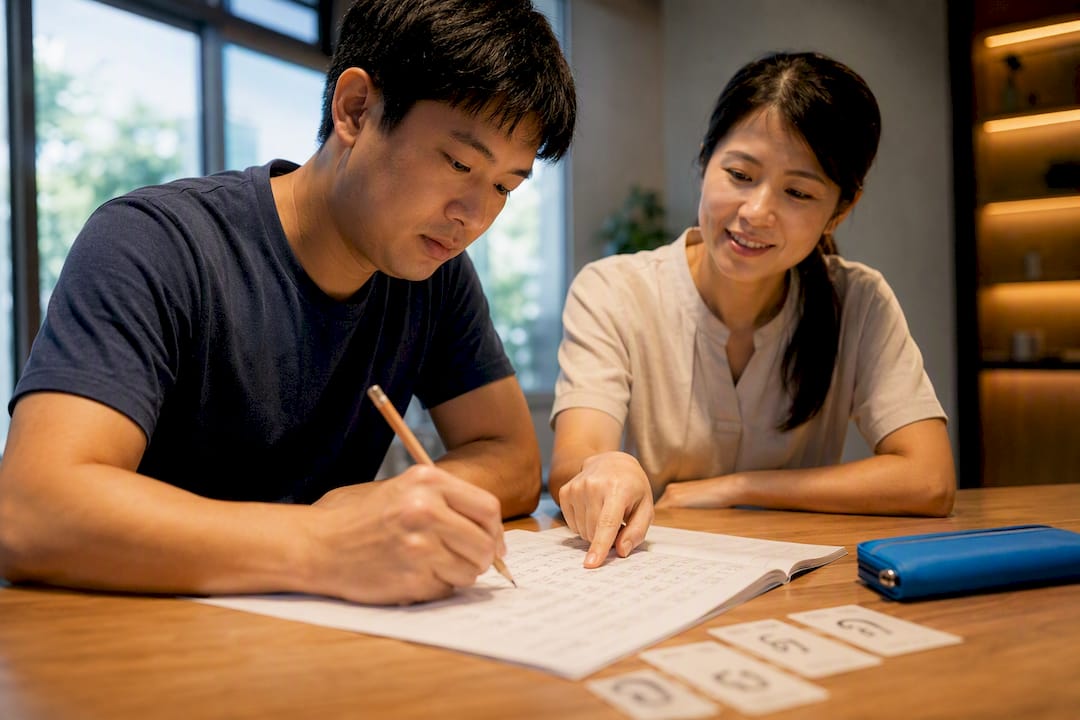
A private Thai lesson is a one-on-one session between you and a qualified instructor, built entirely around your learning goals. There is no shared agenda with other students, no waiting for slower classmates, and no racing to keep up with faster ones. Private Thai lessons offer one-on-one instruction tailored to the learner’s specific needs, which is the foundational difference that changes everything about the learning experience.
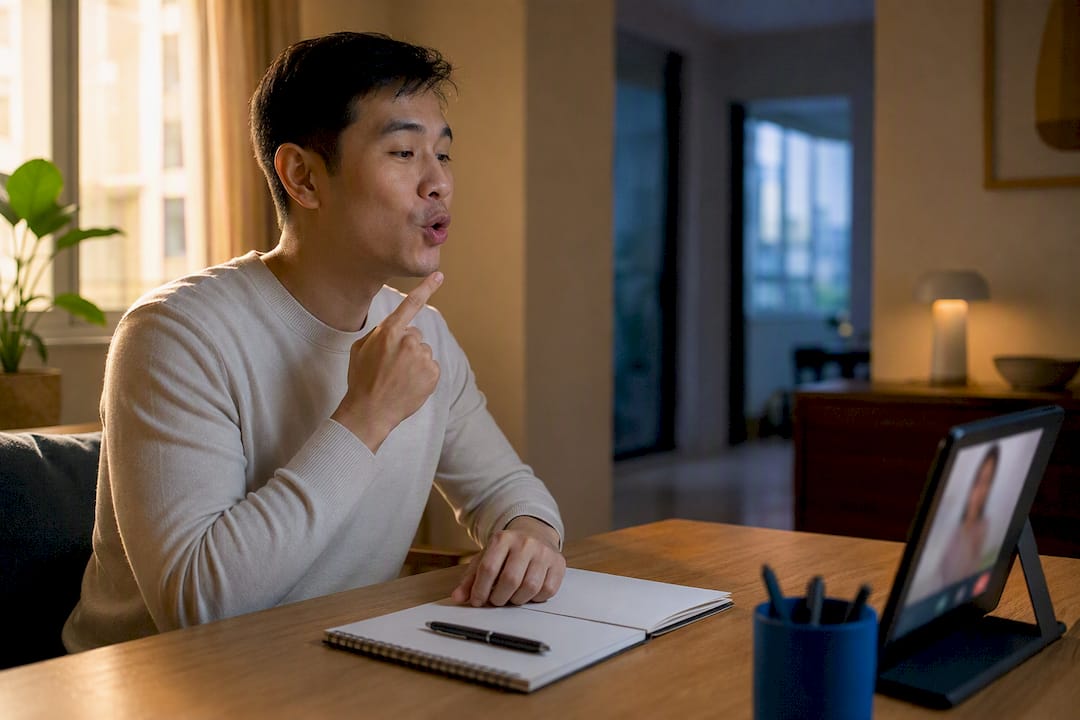
In Singapore, private lessons typically take place in one of three settings. You can meet your instructor at a dedicated language school, attend sessions from home via video call, or occasionally arrange lessons at a mutually convenient location. Online Thai courses follow the same structure as in-person lessons, just delivered through a screen, and many learners find the format just as effective.
The instructors who teach private lessons at established Thai language schools are usually native speakers with formal training in Thai as a foreign language. Bilingual teachers who are fluent in both Thai and English are especially valuable because they can explain tonal patterns and grammar rules in ways that make immediate sense to an English-speaking learner.
Here is a quick comparison to show how private lessons stack up:
| Feature | Private lessons | Group classes | Self-study |
|---|---|---|---|
| Pace | Set by you | Set by class | Set by you |
| Speaking time | 100% | 10-20% | Limited |
| Personalized feedback | Immediate | Delayed or minimal | None |
| Cultural context | Woven in naturally | Standardized | Rare |
| Scheduling | Flexible | Fixed | Anytime |
| Progress speed | Fast | Moderate | Slow to variable |
Key formats available to Singapore learners include:
- In-person lessons at a school or learning center, ideal for structured, immersive sessions
- Online lessons via video call, perfect for busy schedules or remote learners
- Intensive formats with multiple sessions per week for fast-track goals
- Flexible scheduling, so lessons fit your calendar rather than the other way around
Private lessons are not just a luxury option. For learners with a specific timeline or a clear purpose, they are often the most logical and cost-effective investment.
Key benefits of private Thai lessons for Singapore learners
Understanding what private Thai lessons are sets the stage for exploring why they are so valuable for Singapore-based learners. The benefits go well beyond simply having a teacher all to yourself.
Tailored content, pace, and method match your individual learning goals, which means your instructor is not following a one-size-fits-all syllabus. If you already know basic greetings but struggle with tones, your lessons focus on tones. If you are preparing for a business trip to Chiang Mai, your sessions center on professional vocabulary and meeting etiquette.

For Singapore learners specifically, scheduling is often the biggest barrier to language learning. Private lessons solve this directly. You book sessions around your work hours, family commitments, and travel schedule. There is no penalty for taking a lesson at 7 a.m. on a Saturday or skipping a week when you are overseas.
Here is a breakdown of common learner profiles and how private lessons address each:
| Learner type | Specific need | How private lessons help |
|---|---|---|
| Business traveler | Thai workplace vocabulary | Role-play and sector-specific content |
| Expat with Thai partner | Family conversation, cultural fluency | Informal registers, customs, tone use |
| Exam candidate | CU-TFL preparation | Structured test-focused curriculum |
| Tourist | Survival Thai for travel | Practical phrases and listening drills |
| Heritage learner | Reading and writing Thai script | Script basics and reading comprehension |
Beyond scheduling and customization, private lessons build confidence faster. When you make a mistake in a group class, embarrassment can shut down your willingness to speak. In a private lesson, your instructor corrects you immediately and moves on. That cycle of speak, correct, and retry is exactly how fluency forms.
Here are the top advantages Singapore learners consistently report:
- Direct, real-time feedback on pronunciation and tone
- Faster vocabulary retention through context-specific repetition
- Greater speaking confidence without peer judgment
- Cultural insights embedded naturally into every lesson
- Flexible access to Thai course options that fit your goals and budget
Pro Tip: Ask your tutor to focus at least 60% of each session on speaking and listening. Reading and writing matter, but spoken fluency is what most Singapore learners need first. Private lessons are the only format where you can actually make that request and have it respected every single time. You can also check whether your learning is aligned with a recognized benchmark through a SkillsFuture Thai language program, which some Singapore learners use to offset lesson costs.
What to expect in a private Thai lesson: format, content, and outcomes
With the benefits covered, let’s walk through what actually happens in a private Thai lesson. Knowing the structure in advance helps you show up prepared and get more from every session.
A typical one-hour lesson follows this sequence:
- Warm-up (5-10 minutes): Casual Thai conversation to activate your memory from the previous session
- Goal review (5 minutes): Your instructor checks your homework and revisits any sticking points
- New content (20-25 minutes): Introduction of new vocabulary, grammar structures, or pronunciation targets
- Guided practice (15 minutes): Role-plays, listening exercises, or reading aloud with real-time correction
- Feedback and Q&A (5-10 minutes): Your tutor explains patterns and answers your specific questions
- Homework brief (5 minutes): Short, targeted tasks to reinforce what you covered
Lessons cover core topics like conversation, pronunciation, grammar, and Thai culture, which means you are building all four language skills simultaneously, not memorizing vocabulary in isolation.
“The fastest way to sound natural in Thai is to practice the way real Thai people speak, not just recite textbook phrases. A good private tutor mirrors authentic speech and corrects you before bad habits take root.”
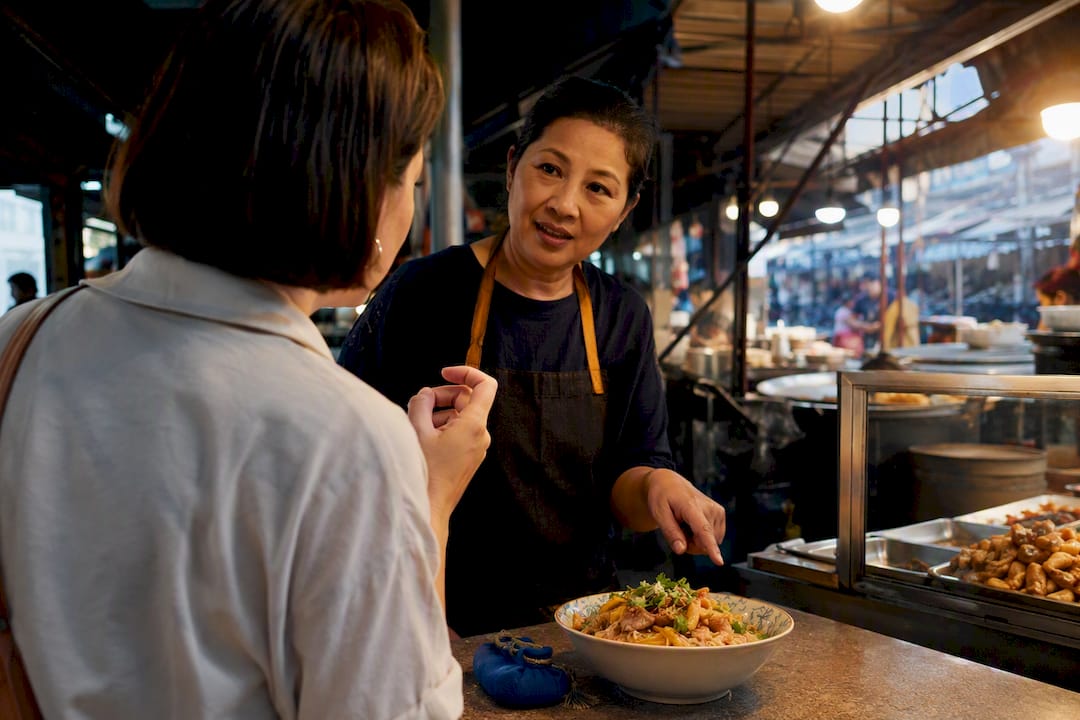
For learners focused on travel, content leans toward practical situations: ordering food, asking for directions, bargaining at a market, and handling transport. For business learners, sessions cover formal registers, professional titles, and meeting etiquette. General fluency goals involve broader exposure to Thai grammar for beginners, tones, and everyday conversation.
Outcomes vary by frequency and effort, but learners who attend weekly private lessons typically notice real improvement within four to six weeks. If you want to measure your progress formally, a Thai proficiency test can benchmark where you stand against recognized language standards.
Pro Tip: Bring real materials to your sessions. Screenshots of Thai menus, messages from Thai contacts, or lines from a Thai show you are watching all make excellent practice material. Your instructor can turn anything from your actual life into a Thai tone exercise or a vocabulary drill, and that relevance makes the learning stick far longer.
Maximizing your progress: tips for getting the most from private Thai lessons
Knowing what to expect, discover how to make your lessons as effective as possible. The learners who progress fastest are not always the most naturally gifted. They are the most consistent.
Consistent daily practice and using the language regularly are key to building real fluency. Your instructor can only do so much in one hour per week. What happens between sessions determines how quickly your brain wires the language in permanently.
Here are the strategies that work best:
- Schedule sessions at a fixed time each week. Irregular lessons produce irregular progress. Treat your Thai lesson like a non-negotiable appointment.
- Practice speaking for at least 10 minutes every day. Talk to yourself in Thai while commuting, cooking, or exercising. It sounds strange but it works.
- Engage with Thai media. Thai pop music, Thai Netflix dramas, and Thai YouTube channels train your ear without feeling like study. Even 15 minutes a day sharpens your listening dramatically.
- Use flashcard apps between lessons. Spaced repetition tools reinforce vocabulary your tutor introduces, so you are not relearning the same words every session.
- Review your homework honestly. Completing tasks just to complete them wastes your own time. Do them slowly, correct your own errors first, and bring questions to your next lesson.
- Build on pronunciation practice daily, since Thai tones are the single most common source of miscommunication for English speakers.
One often overlooked strategy is setting written goals with your tutor at the start of every month. Something as simple as “I want to hold a five-minute conversation about my job by the end of the month” gives your lessons a target. Without a target, both you and your instructor default to covering material rather than building real ability.
Pro Tip: Before your lesson each week, write down three real situations where you wished you could speak more Thai. Share them at the start of the session. Your tutor can design the entire lesson around those moments, making every minute feel immediately useful. If you are still exploring your options before committing, find a private Thai tutor through a reputable school to ensure consistent quality and structured progress.
Our perspective: why private Thai lessons are the hidden shortcut to fluency
Having explored practical tips, here is our take on why private lessons often beat all other approaches, and why most learners figure this out later than they should.
The conventional advice for learning a new language goes something like this: download an app, join a group class, watch some shows, and wait. That path works eventually for some people. But for busy Singapore learners with actual goals and real time constraints, “eventually” is not acceptable.
What most learners underestimate is how much faster private lessons build real communication skills compared to theory-heavy classes. You are not absorbing language in a private lesson. You are producing it, being corrected, and producing it again. That cycle compresses months of passive learning into weeks of active fluency building.
Tone mastery is where this gap becomes most obvious. Thai has five tones, and mispronouncing them changes your meaning entirely. No app corrects your specific voice. No group class has time to address your individual accent. But a private tutor listens to you and only you, adjusting their feedback to match exactly how you naturally speak. You can build on this with everyday Thai practice habits your tutor helps you design.
The uncomfortable truth is that the learners who struggle longest are usually the ones who delayed one-on-one instruction while waiting to “get the basics down first.” Private lessons are where the basics actually become real.
Ready to start private Thai lessons in Singapore?
If this article has made one thing clear, it is that structured, personalized instruction is the fastest route to real Thai communication skills. At Thai Explorer, we have helped hundreds of Singapore learners go from complete beginners to confident speakers through our private Thai lessons, all taught by qualified native instructors who understand exactly what English-speaking learners need.
Our school sits right above Tanjong Pagar MRT, making it easy to fit lessons into your daily commute. You can explore our full range of Thai course offerings to find the format that matches your schedule and goals, or ask about our SkillsFuture-eligible Thai language course if you want to offset your investment. Reach out today to book a trial lesson and see what a truly personalized session feels like.
Frequently asked questions
How much do private Thai lessons in Singapore usually cost?
Rates typically range from S$40 to S$90 per hour, depending on the instructor’s experience and lesson format. Established schools that offer one-on-one instruction often provide structured packages that bring the per-session cost down.
What level of Thai can I achieve with private lessons?
With consistent weekly sessions, most motivated learners reach conversational proficiency within 6 to 12 months. Tailored pace and method mean your progress is not tied to the slowest person in a class.
Are online private Thai lessons as effective as in-person?
Yes, online private lessons deliver the same personalized benefits as in-person sessions and are especially practical for busy professionals in Singapore. The key is choosing a qualified instructor and keeping the sessions structured and consistent.
How do I choose the right private Thai tutor?
Look for certified teachers with native fluency, solid experience teaching English-speaking learners, and a flexible approach to lesson design. A tutor who matches content to your goals will always outperform a generalist working from a fixed textbook.